
Why the space matters in counselling
When people imagine therapy, they often picture a conversation between therapist and client. While this relationship is central to healing, the environment in which therapy takes place can also play a powerful role in how safe, open, and supported someone feels.
Research in psychology, neuroscience, and environmental design increasingly suggests that our surroundings influence our emotional and physiological state. A thoughtfully designed therapy space can help clients feel calmer, more grounded, and more able to engage with difficult experiences.
At Stories Therapy in Wirral, we believe the therapy room itself can become part of the therapeutic experience.
How décor can influence emotional safety
Entering a new counselling room can bring a mix of emotions—hope, anxiety, curiosity, or vulnerability. Subtle environmental cues can help the nervous system settle.
Environmental psychology research shows that lighting, colour, layout, and sensory cues can affect mood, stress levels, and cognitive processing. In therapy settings, this means the room itself may influence how safe someone feels to explore their thoughts and emotions.
Carl Rogers, one of the founders of person-centred therapy, emphasised the importance of creating a psychological climate of acceptance and safety (Rogers, 1957). Today, neuroscience research suggests that physical environments can help support this sense of safety at a physiological level.
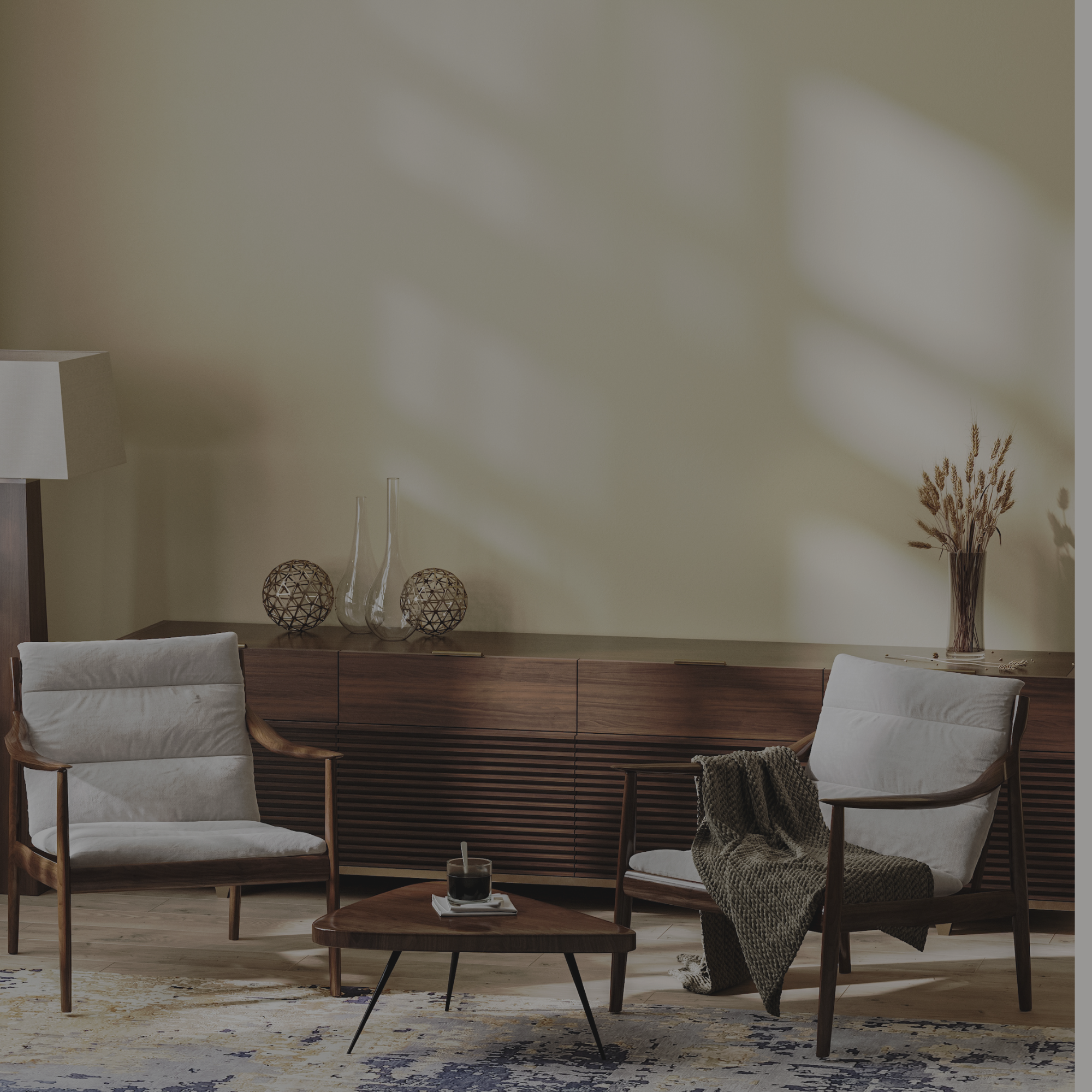
The visual atmosphere of a therapy room can subtly shape a client’s experience.
Warm lighting, natural textures, and calming colours may help signal safety to the brain’s threat detection systems. Studies in healthcare design show that natural materials, plants, and softer visual environments are associated with reduced stress and improved emotional wellbeing.
Therapy rooms that feel welcoming rather than clinical can help people relax more quickly and feel comfortable sharing difficult experiences.
This does not mean therapy spaces need to be luxurious. Instead, intentional design—comfortable seating, soft lighting, and thoughtful décor—can help create a space that feels calm and supportive
The role of scent
Our sense of smell is closely connected to the brain’s emotional processing centres, including the amygdala and hippocampus.
Because of this connection, certain scents can influence mood and relaxation. Aromas such as lavender, sandalwood, or gentle citrus have been associated with reduced stress and increased calm in some studies.
In therapy environments, subtle and carefully chosen scents may help support relaxation and grounding. However, it is important that scent is used thoughtfully and respectfully, as people can have sensitivities or personal associations with particular smells.
Supporting nervous system regulation
From a neuroscience perspective, feeling safe in therapy is not just psychological—it is also physiological.
Research into co-regulation and social safety suggests that humans regulate their nervous systems partly through cues from the environment and from other people. Calm surroundings, gentle lighting, and comfortable spaces may help signal to the nervous system that it is safe to slow down and engage.
This aligns with emerging research into polyvagal theory and social baseline theory, which emphasise how environmental safety cues support emotional regulation.
When the nervous system feels calmer, clients may find it easier to reflect, process experiences, and engage more deeply in therapy.
Creating a space where stories can unfold
At Stories Therapy, we believe the therapy room should feel like a safe, welcoming space where people can bring their whole selves.
Small details—soft textures, warm lighting, calming décor, and a quiet atmosphere—are all part of creating a space where clients feel able to pause, breathe, and explore their experiences.
Ultimately, therapy is about the relationship between therapist and client. But the environment around that relationship can gently support the process.
A thoughtfully designed space can help people feel seen, safe, and supported as they begin to share their story.
Counselling in Wirral
If you are looking for counselling in Wirral, Stories Therapy offers a calm and welcoming space where you can explore what matters most to you.
We provide counselling and psychotherapy for adults seeking support with anxiety, trauma, life transitions, relationships, and personal growth.
You can learn more about our services or book an initial consultation on our website.
Leave a Reply